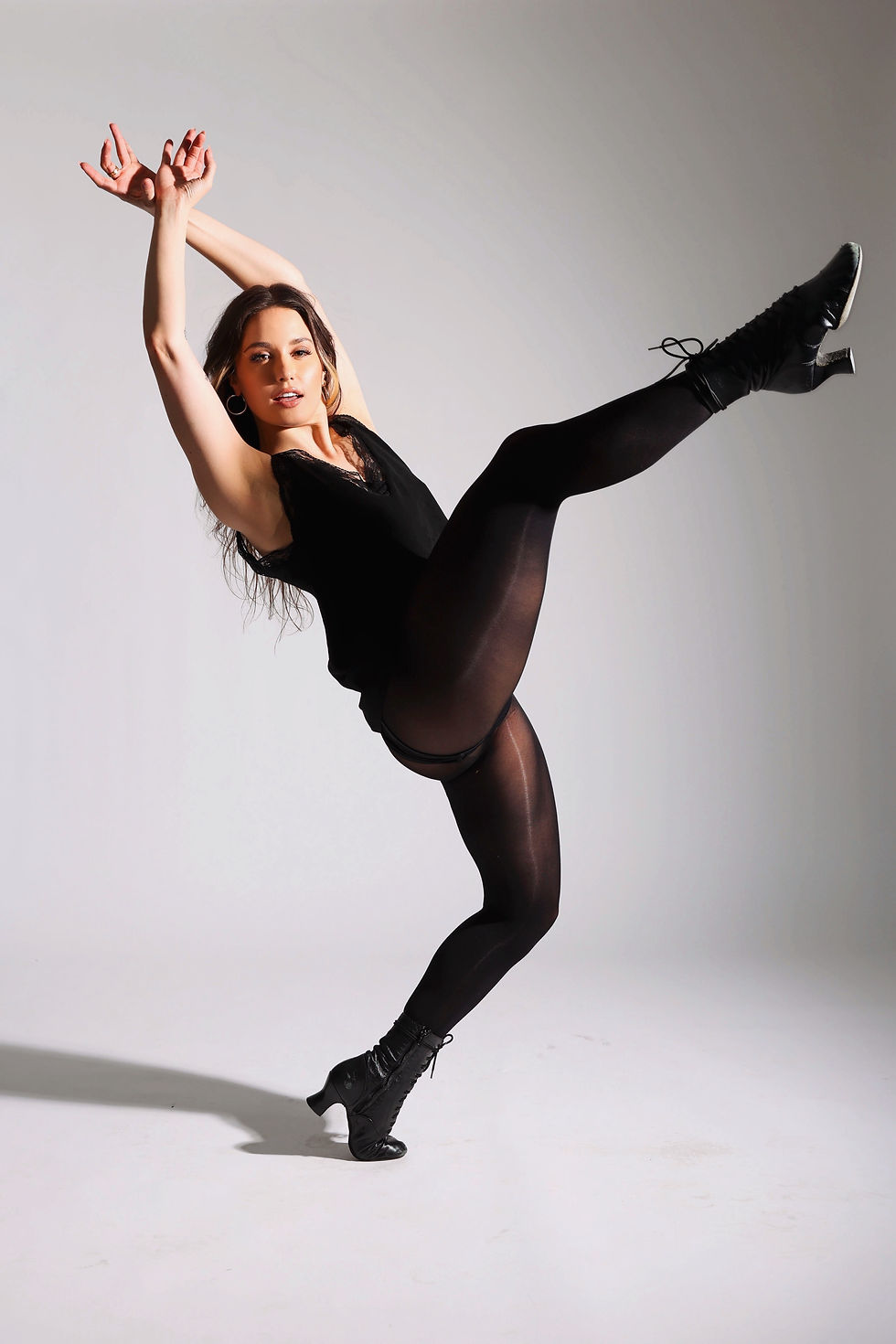
An in depth training for dance competitions and judges who want to elevate the standard of feedback provided at competitions. The extensive curriculum is designed to equip each participant with every tool imaginable to feel comfortable giving educational, supportive feedback while judging. Through interactive quizzes, short form answers, and even real time judging simulations, the course explores, the why and the how to confidently provide professional feedback in any category, age group, and style you may encounter while behind the table.
ABOUT FEEDBACK
SIX INDEPTH, INTERACTIVE COURSE MODULES:
1
THE WHY
Before we get to the HOW, let’s acknowledge the WHY. Our role as a judge is about so much more than giving a score. We are not just adjudicators — we are educators, mentors, and role models. Every word we say has the power to shape a dancer’s confidence, growth, and relationship with their art.
2
THE LOGISTICS
Let’s get acquainted with some important lingo you will encounter – such as: the separation of age divisions, level categories within those age divisions, how entries are categorized based on group size, and common styles entries will fall under. Before you can judge like a pro, you’ve got to sound like a pro.
3
THE HOW
We will break down the art of giving live feedback. Form structured introductions, learn to balance compliments with objective, educational critiques, and learn the importance of inclusive language to move beyond surface-level comments and provide dancers with feedback that inspires growth.
4
THE BREAKDOWN
Take a DEEP dive into each dance style with style specific vocabulary and correction strategies. Learn to deliver feedback that matches the technical and artistic demands of every style—from contemporary to clogging!
5
THE PLAY BY PLAY
In this hands on module, you will put theory into practice. You’ll practice identifying some of the most common technical missteps dancers make on stage by watching short clips and practice giving clear, specific, supportive feedback in response.
6
THE SIMULATION
Now it’s time to put it all together. As if you were behind the judges table, you’ll watch full length competition routines varying in level, age, and style to practice delivering complete, structured feedback in real time.
STYLE SPECIFIC LEARNING
While behind the table, you will encounter a wide variety of styles and each style comes with its own vocabulary and its own distinct qualities. This course explores each styles key elements, gives you tangible examples of common corrections specific to the style, and even thorough examples of how to formulate impactful, style specific feedback.
INTERACTIVE
QUIZES
The course features interactive quizzes
designed to help you actively apply what you've learned. These short, scenario-based questions turn information into action — reinforcing key concepts, improving retention, and ensuring you are confident using your new skills in real competition settings.
PIP
TECHNOLOGY
The course offers PIP judging simulations that place you right behind the table. Watch real routines while recording live commentary to practice delivering effective, constructive feedback in real time. This immersive tool bridges the gap between theory and practice, helping you refine tone, timing, and delivery before ever stepping into a live competition.
COMMUNITY
CHAT
Inside the Feedback community, you’ll connect with other judges who share your passion for education, artistry, and impact. Ask questions, share judging experiences, and learn from one another in a space designed for continuous professional development.
Your words as a judge matter...
more than you know
When we are behind the table, our job is more than 'just a judge'. We are tasked with the responsibility to be educators, mentors, and role models. Each one of us carries years, even decades, of professional training, performance, and industry experience - as a judge, it is our responsibility to translate that knowledge into growth opportunities for the next generation.
The goal is not just to evaluate the dancers, but to elevate them.